Understanding gastric bypass Surgery
When it comes to weight loss surgery, gastric bypass is one of the Most common procedures performed. This surgery involves creating a small pouch at the top of the stomach and connecting it directly to the small intestine. By doing this, the amount of food a person can eat is significantly reduced, leading to weight loss. However, this surgery also affects the body’s ability to absorb nutrients, including protein.
The Importance of Protein Intake After Gastric Bypass
Protein is an essential nutrient that plays a crucial role in the body. It is responsible for building and repairing tissues, supporting immune function, and maintaining muscle mass. After gastric bypass surgery, protein intake becomes even more critical. The body’s ability to absorb protein is compromised, making it necessary for individuals who have undergone this surgery to consume higher amounts of protein to prevent deficiencies.
Recommended Protein Intake
Following gastric bypass surgery, healthcare professionals typically recommend that patients consume between 60 to 80 grams of protein per day. This amount may vary depending on factors such as weight, age, and activity level. It is essential for patients to work closely with a dietitian to develop a meal plan that meets their individual protein needs.
Sources of Protein
Meeting protein requirements after gastric bypass surgery can be challenging, as the stomach’s reduced size limits food intake. It is essential for patients to focus on consuming protein-rich foods such as lean meats, poultry, fish, eggs, dairy products, and plant-based sources like tofu and legumes. Protein supplements such as protein shakes or powders may also be recommended to help patients meet their daily protein goals.
Monitoring Protein Intake
Regular monitoring of protein intake is crucial for individuals who have undergone gastric bypass surgery. A dietitian can help patients track their protein intake and make adjustments as needed. It is essential to listen to your body and pay attention to signs of protein deficiency, such as hair loss, muscle weakness, and fatigue. By staying vigilant and following a protein-rich diet, patients can optimize their health and well-being after gastric bypass surgery.
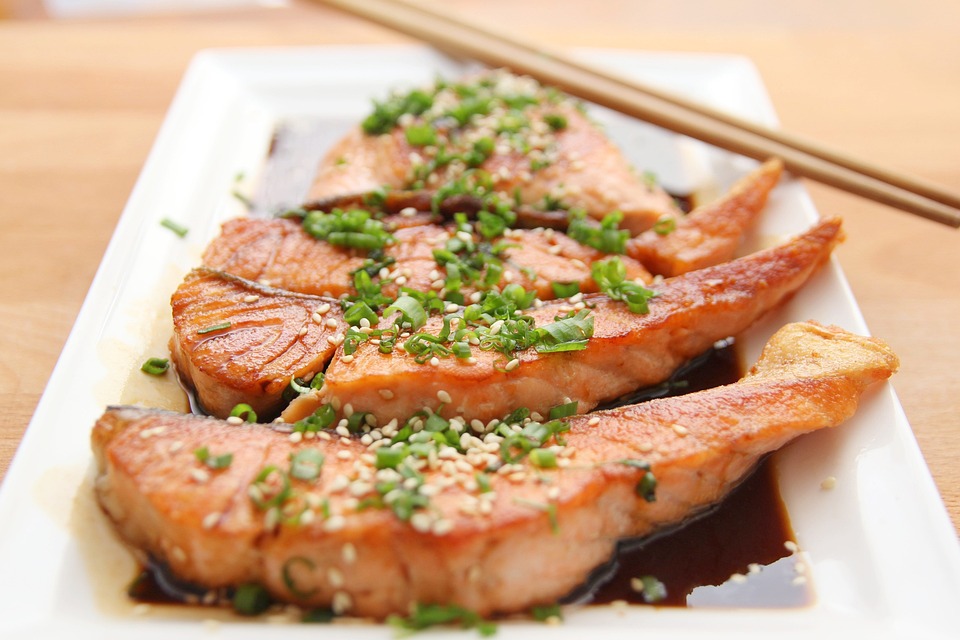
In conclusion, protein intake is a vital aspect of post-gastric bypass surgery care. By understanding the importance of protein, following recommended intake guidelines, choosing the right protein sources, and monitoring intake levels, individuals can support their overall health and well-being. Working closely with healthcare professionals, including dietitians, can help patients navigate the challenges of meeting protein needs after surgery. By prioritizing protein intake, individuals can enhance their recovery process and achieve long-term success in their weight loss journey.
Most Common Questions Concerning Gastric Bypass Protein Intake
What is the recommended daily protein intake after gastric bypass surgery?
After gastric bypass surgery, it is recommended to consume at least 60 to 80 grams of protein per day. This is important to support healing, maintain muscle mass, and prevent nutrient deficiencies. Protein plays a crucial role in the recovery process and helps the body repair tissues and build new cells.
– Recommended daily protein intake: 60-80 grams
– Support healing and maintain muscle mass
– Prevent nutrient deficiencies
How can I meet my protein requirements after gastric bypass surgery?
Meeting your protein requirements after gastric bypass surgery can be challenging, but there are several ways to ensure you are getting enough protein. You can incorporate protein-rich foods such as lean meats, poultry, fish, eggs, dairy products, tofu, beans, and legumes into your diet. Additionally, protein supplements such as protein shakes or powders can be helpful in meeting your daily protein goals.
– Incorporate protein-rich foods into your diet
– Consider protein supplements such as shakes or powders
– Focus on lean meats, poultry, fish, eggs, dairy products, tofu, beans, and legumes
What are the consequences of not consuming enough protein after gastric bypass surgery?
Not consuming enough protein after gastric bypass surgery can lead to a range of consequences, including muscle loss, decreased metabolism, weakened immune system, hair loss, and delayed wound healing. Protein is essential for the body to function properly and maintain overall health. It is important to prioritize protein intake to avoid these negative outcomes.
– Muscle loss
– Decreased metabolism
– Weakened immune system
Can I overconsume protein after gastric bypass surgery?
While protein is important for healing and recovery after gastric bypass surgery, it is possible to overconsume protein. Consuming excessive amounts of protein can put strain on the kidneys and liver, leading to potential health issues. It is important to follow the recommendations provided by your healthcare provider and dietitian to ensure you are consuming the right amount of protein for your individual needs.
– Strain on kidneys and liver
– Potential health issues
– Follow recommendations from healthcare provider and dietitian
How can I track my protein intake after gastric bypass surgery?
Tracking your protein intake after gastric bypass surgery can help ensure you are meeting your daily requirements. You can use a food diary or a mobile app to keep track of the protein content in the foods you eat. It is also helpful to consult with a dietitian who can provide guidance on how to track your protein intake and make any necessary adjustments to your diet.
– Use a food diary or mobile app
– Consult with a dietitian
– Make necessary adjustments to your diet
False Assumptions Concerning Gastric Bypass Protein Intake
Misconception 1: You need to consume excessive amounts of protein after gastric bypass surgery
One common misconception about gastric bypass surgery is that patients need to consume excessive amounts of protein to support their weight loss and recovery. In reality, the recommended protein intake for gastric bypass patients is typically around 60-80 grams per day, which is achievable through a balanced diet and protein supplements if needed.
Misconception 2: All protein sources are equally beneficial for gastric bypass patients
Another misconception is that all protein sources are equally beneficial for gastric bypass patients. While protein is essential for muscle recovery and weight loss after surgery, not all protein sources are created equal. It is important for patients to choose high-quality protein sources, such as lean meats, fish, eggs, dairy, and plant-based sources like beans and legumes.
Misconception 3: Protein supplements are necessary for all gastric bypass patients
Some people believe that all gastric bypass patients need to take protein supplements to meet their daily protein requirements. While protein supplements can be helpful for some patients, they are not always necessary. Patients should focus on getting their protein from whole food sources whenever possible and only use supplements as a last resort.
Misconception 4: Consuming too much protein will not harm gastric bypass patients
There is a misconception that consuming excessive amounts of protein will not harm gastric bypass patients. In reality, consuming too much protein can put strain on the kidneys and liver, leading to potential complications. Patients should follow their healthcare provider’s recommendations for protein intake and avoid overdoing it.
Misconception 5: Protein intake is the only factor that affects weight loss after gastric bypass surgery
Finally, some people believe that protein intake is the only factor that affects weight loss after gastric bypass surgery. While protein is important for muscle recovery and satiety, it is just one piece of the puzzle. Patients also need to focus on hydration, vitamins and minerals, physical activity, and overall dietary habits to achieve successful and sustainable weight loss.
Gastric Bypass Protein Intake
#undergoing #gastric #bypass #surgery #important #consume #adequate #amounts #protein #support #healing #maintain #muscle #mass #prevent #nutrient #deficiencies #recommended #daily #protein #intake #individuals #gastric #bypass #surgery #typically #grams #day #vary #depending #individual #factors #age #gender #weight #activity #level